
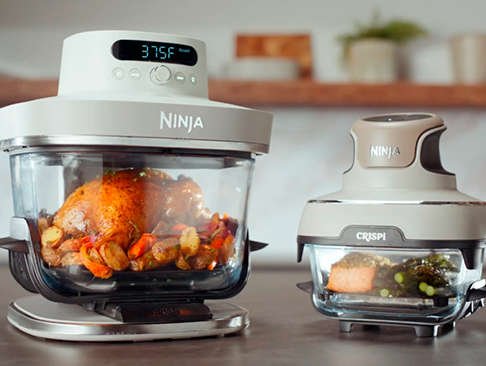
A ninja air fryer cooks food by pushing hot air around it. Most meals finish in 10 to 20 minutes. This guide covers the settings, steps, and limits you’ll need for everyday cooking.
What a countertop air fryer does
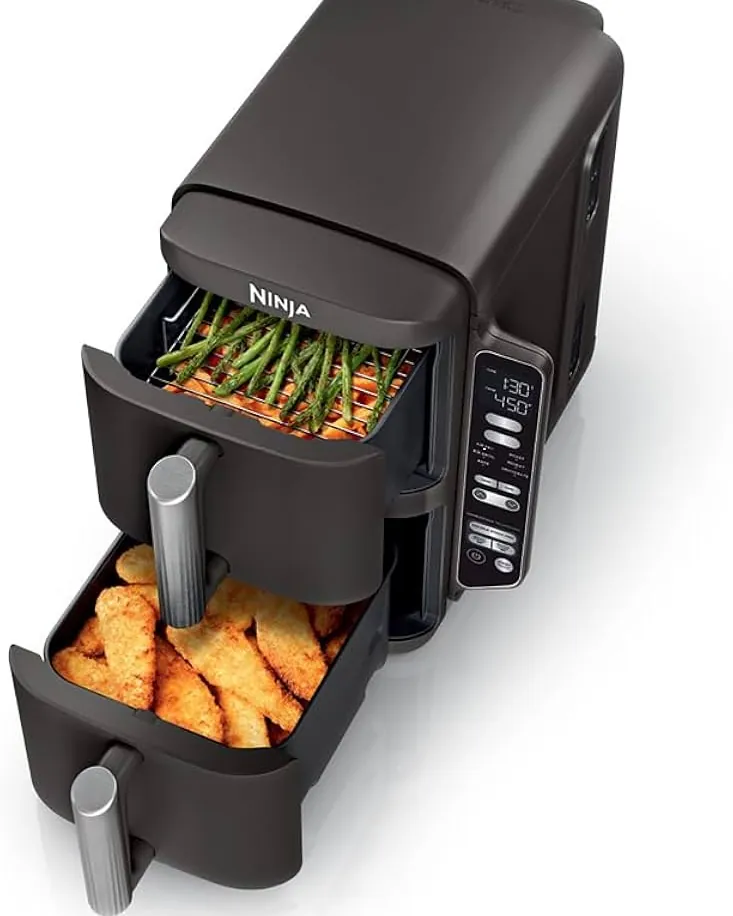
It’s a small electric oven with a powerful fan. That moving heat crisps the outside while keeping the inside moist. You don’t need a pool of oil to get a crunch.
It works best for frozen snacks, chicken pieces, and roasted vegetables.
Cooking in a Ninja Air Fryer
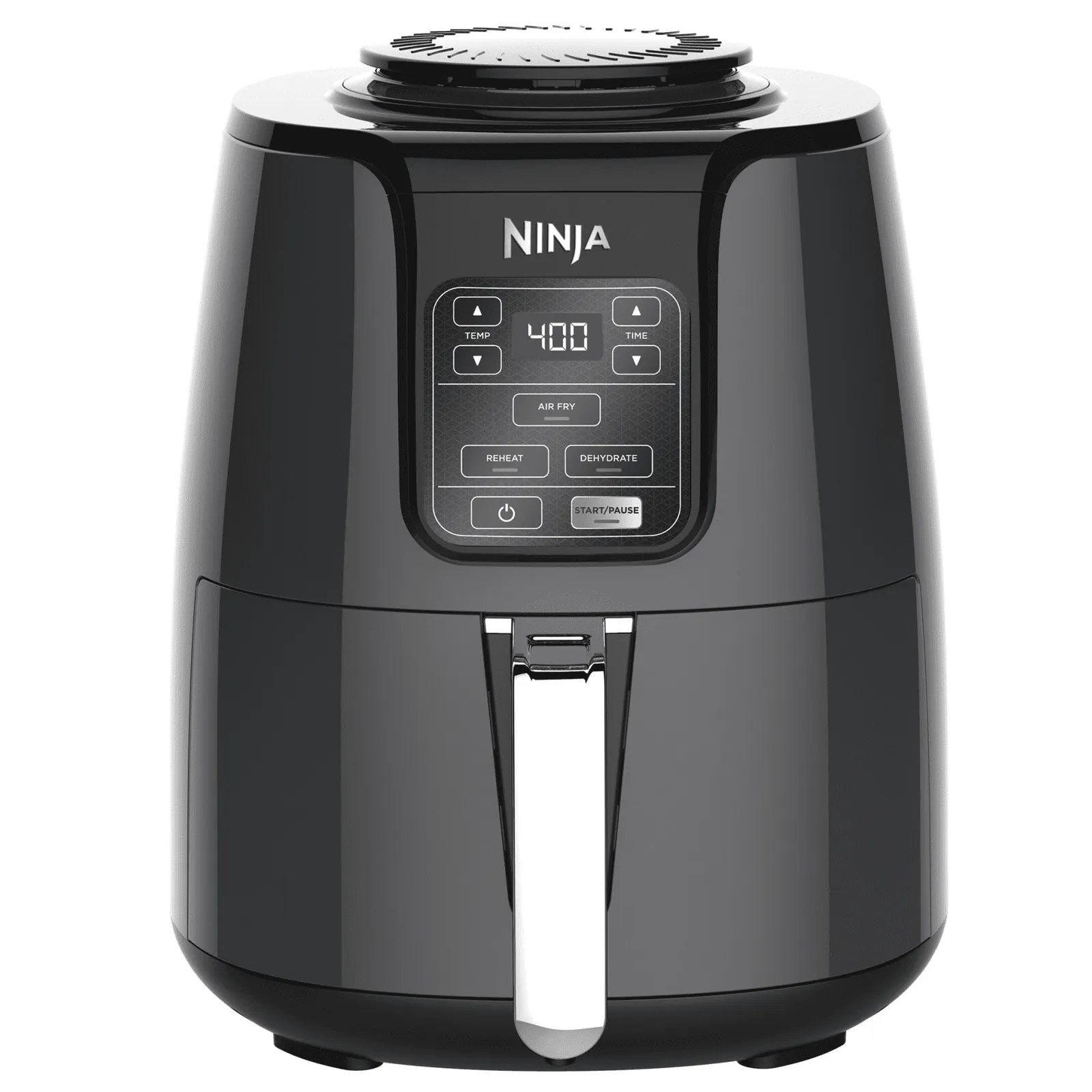
These steps apply to the standard single-basket models like the AF101. Dual-zone models have independent timers.
- Place the unit on a flat counter with 5 inches of space behind the exhaust vent.
- Put the crisper plate inside the basket so it clicks flat.
- Press the Air Fry button, then set the temperature—390°F works well for most raw foods.
- Let the empty basket run for 3 minutes before adding food.
- Add your food in a single layer without stacking pieces on top of each other.
- Set the timer: 10–12 minutes for chicken thighs, or 8–10 minutes for frozen fries.
- Pull the basket out halfway through and shake it firmly to turn the food.
- Check raw meat with a thermometer before serving; poultry must reach 165°F and whole cuts 145°F per USDA safe minimum internal temperatures.
The real test isn’t the timer—it’s the crowding. Cook in two batches if the pieces overlap.
Ninja Air Fryer Times and Temperatures
These figures assume a standard 1,550-watt single-basket model. For lower-wattage versions, add 2 to 3 minutes to each time.
| Situation | What to use | How long | What to watch for |
|---|---|---|---|
| Frozen french fries | 390°F, Air Fryer | 12–15 min | Shake at 7 min; stop when golden. |
| Fresh chicken thighs | 390°F, Air Fryer | 18–22 min | Must read 165°F inside. |
| Broccoli florets | 375°F, Air Fryer | 8–10 min | Edges brown lightly, stems tender |
| Reheating pizza | 350°F, Air Fryer | 3–4 min | Cheese melts, crust crisps. |
| Bacon strips | 390°F, Air Fryer | 8–10 min | Fat renders, no curling |
| Salmon fillets (6 oz) | 390°F, Air Fryer | 7–9 min | Flakes apart, reaches 145°F |
Getting crisp results every time
Dry food crisps; wet food steams. Pat meat and vegetables completely dry before cooking. A light oil spray helps browning; avoid pouring liquid oil.
Don’t open the basket constantly to check the food. Open it once halfway through to shake or flip.
Put parchment paper under saucy foods when reheating. Without that barrier, sauce burns onto the crisper plate.
Troubleshooting common issues
Small problems usually come down to airflow or moisture rather than a broken machine.
| What you notice | What it usually means | What to do first |
|---|---|---|
| White smoke from vent | Fat dripping onto the heating element | Empty grease from bottom pan |
| Food stays soggy. | Basket is overcrowded. | Remove half, and cook in batches. |
| Loud rattling noise | The crisper plate isn’t seated flat. | Push the plate down until it clicks. |
| Burnt edges, raw center | Temperature set too high | Drop 25°F, add 3 minutes. |
| The unit won’t start. | Basket not pushed fully in | Slide the basket until it locks. |
Safety and clearance rules
Ninja requires at least 5 inches of empty space behind the air fryer because the exhaust vent blows very hot air.
Always plug the unit directly into a wall outlet. Extension cords often can’t handle the wattage safely. Only authorized service centers should handle internal repairs.
Cleaning and storage
Let the basket cool before washing. Wash parts in warm soapy water or on the dishwasher’s top rack.
Store the cord loosely wrapped. If you smell burning plastic during your next use, it means grease wasn’t cleaned off the element properly.
When this appliance is the wrong choice
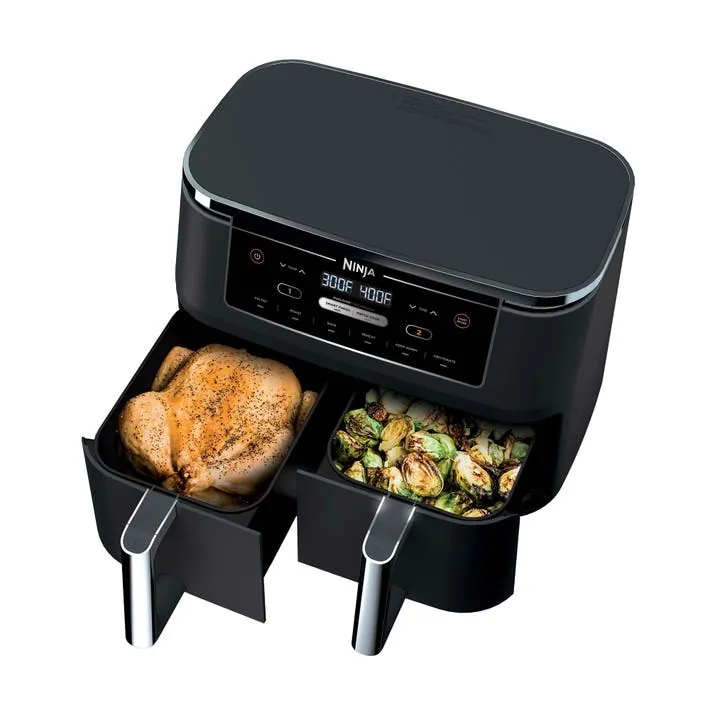
If you need to bake a full cake or roast a large whole chicken, the basket simply isn’t big enough.
If you live somewhere with frequent power outages or limited electrical capacity, a 1,550-watt appliance will trip your breakers constantly. Use a gas stove instead.
Frequently asked questions
Can you put aluminum foil in a Ninja air fryer?
Yes, but only in the basket, never covering the entire bottom. Leave space around the edges so the fan can still push hot air through.
Why is my air fryer smoking so much?
Smoke happens when old grease drips onto the heating element. Pull the basket out and pour any pooled fat from the bottom pan into a jar. Wipe the pan clean before you continue cooking.
How long does it take to preheat?
It takes about 3 minutes at 390°F for a standard single-basket model. Dual-zone models might need 4 minutes. Skipping this step means your food starts cooking in cooler air, which leads to soggy results.
Is it safe to cook raw chicken in it?
Yes, as long as the thickest part reaches 165°F. Don’t rely on the outside color to judge if it’s done. Always insert a meat thermometer into the thickest piece before eating.
What happens if you overcrowd the basket?
The food steams instead of crisping because the hot air can’t circulate around each piece. Split large portions into two separate batches for better texture.
Can you reheat soup in a Ninja air fryer?
No, the fast fan blows liquid around and makes a mess. Use a microwave or stovetop for soups, sauces, and anything you’d normally drink from a bowl.
Conclusion
A ninja air fryer saves time and keeps your kitchen cooler than a full oven, but it only shines when you respect its size limits. Keep the basket uncrowded, wipe the grease away after every use, and always check your meat with a thermometer. Treat it like a fast, focused tool rather than a replacement for every pot and pan you own, and it’ll earn its space on your counter.
3 thoughts on “Ninja Air Fryer Settings and Steps for Everyday Cooking”