
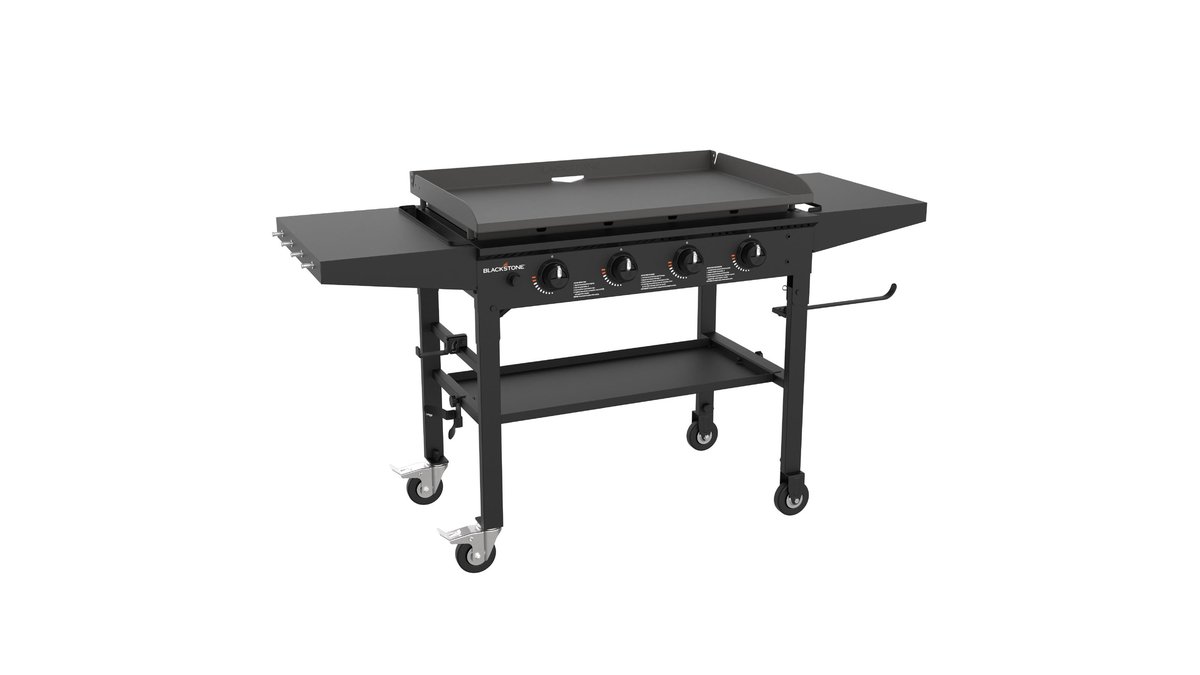
A black stone grill is a volcanic basalt slab heated in an oven to 400°F–500°F, then brought to the table where diners cook their own raw meat, fish or vegetables directly on its surface. The dense rock holds heat for up to forty minutes without electricity or flame, turning dinner into a shared cooking experience that stays hot through the meal.
Black stone grill parts
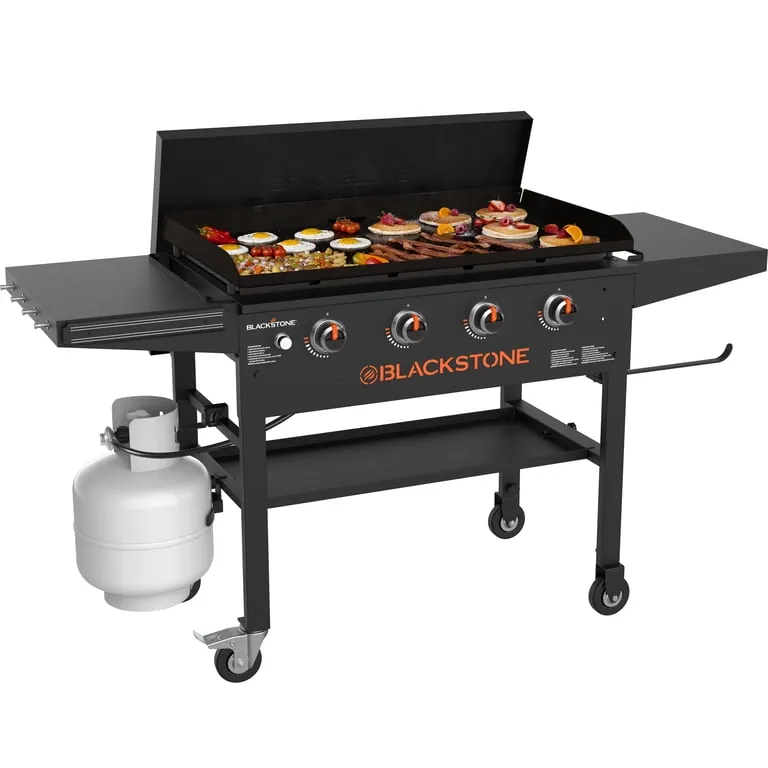
| Part or input | What it does | What you notice when it goes wrong |
|---|---|---|
| Basalt stone slab | Stores and radiates steady heat | Cools too fast or cracks loudly |
| Stainless steel base | Insulates table from extreme heat | Table surface scorches or warps |
| Heat-resistant handles | Allow safe transport from oven | Stone slips or burns hands |
| Raw protein portions | Cook via direct conductive contact | Sticks badly or remains raw |
| High-smoke-point oil | Prevents sticking and aids searing | Burns, smokes or leaves residue |
| Metal scraper tool | Removes charred bits between courses | Food fuses to porous surface |
Black stone grill safety
- Preheat your conventional oven to 400°F–500°F, placing the clean dry stone inside for at least thirty minutes to ensure even thermal saturation throughout the dense basalt core.
- Prepare raw proteins and vegetables in uniform thin slices while the stone heats, keeping them chilled until service to prevent bacterial growth before cooking begins.
- Remove the hot stone using insulated gloves and place it securely in its metal base, verifying the protective barrier sits flat against your dining table surface.
- Lightly brush the cooking surface with avocado or grapeseed oil just before guests arrive, avoiding olive oil which smokes excessively above 375°F.
- Place food directly onto the hot surface and allow it to sear undisturbed for sixty to ninety seconds per side depending on thickness and desired doneness.
- Check poultry reaches 165°F and whole cuts reach 145°F using an instant-read thermometer, as visual cues alone can’t guarantee safety on variable-temperature stone surfaces.
- Scrape away accumulated char between courses with a metal spatula to maintain consistent heat transfer and prevent burnt flavors from transferring to fresh ingredients.
- Let the stone cool completely on a wire rack for several hours before washing, since rapid temperature changes cause irreversible cracking in natural volcanic rock.
Why uneven heating ruins stone grilling
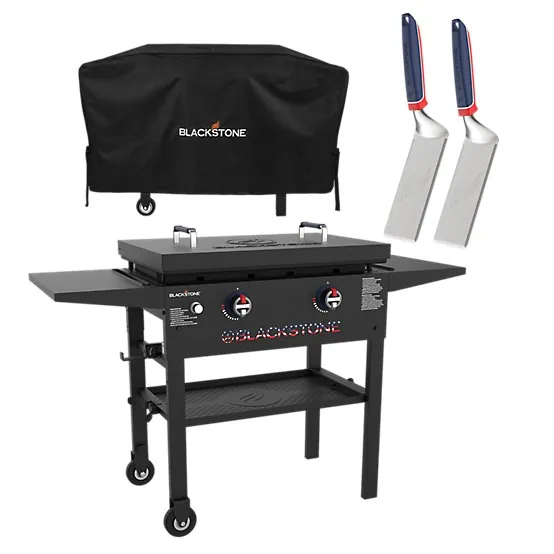
Thermal mass determines whether your black stone grill sears properly or merely steams food at unsafe temperatures. A stone pulled from the oven after fifteen minutes may read 450°F on the surface yet drop below 300°F within seconds of contact with cold meat, creating conditions where pathogens survive despite apparent browning.
Moisture content in the stone itself creates another failure point that mimics equipment malfunction. Volcanic rock is naturally porous and absorbs water during cleaning; if reheated while damp, trapped moisture turns to steam and can fracture the slab violently. This isn’t a manufacturing defect but a physics constraint: the USDA food safety guidelines specify minimum internal temperatures precisely because surface appearance doesn’t reliably indicate doneness on variable-heat cooking surfaces like stone.
What you control versus fixed limits
Variables you manage
- Oven temperature and preheat duration determine peak surface heat
- Oil selection affects smoke point and sticking behavior
- Food thickness controls required contact time for safe doneness
- Cooling rate depends on resting location and ambient temperature
- Cleaning frequency influences oil absorption and flavor carryover
Constraints built into the material
- Porous surface permanently absorbs strong flavors and cleaning chemicals
- Thermal shock risk makes dishwasher use and cold-water rinsing unsafe
- Weight exceeds ten pounds for standard sizes, limiting portability
Habits that extend stone life and performance
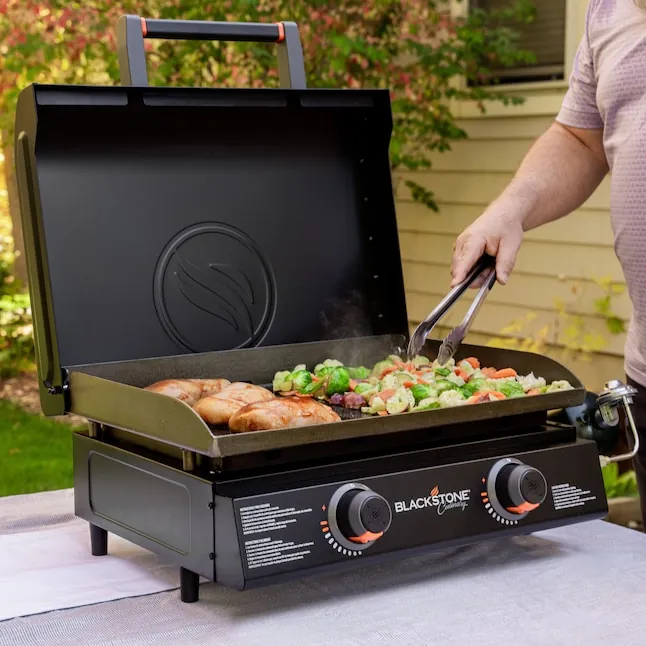
Season your black stone grill by rubbing neutral oil across the warm surface after each use, letting residual heat polymerize it into a natural nonstick layer rather than applying aerosol sprays that leave gummy deposits. Store the cooled stone in a breathable cloth bag instead of plastic wrap, which traps humidity and promotes mold growth inside the pores.
Always slice proteins against the grain into quarter-inch pieces so they cook through before the surface temperature drops below the safe searing threshold. Reserve acidic marinades for post-cooking drizzles, since vinegar and citrus dissolve the mineral matrix over repeated exposures. Track your oven’s actual temperature with a standalone probe, as built-in dials often run fifty degrees off and underheating is the most common cause of disappointing results.
Frequently asked questions
Can I use a black stone grill on a stovetop?
No, direct burner contact creates dangerous hot spots that crack basalt instantly. These stones require indirect, surround heat from a conventional oven to distribute thermal energy evenly through their dense structure without structural failure.
How long does a black stone grill stay hot?
Typically thirty to forty minutes at serving temperature when preheated to 500°F for thirty minutes. Thicker stones retain heat longer but require extended preheating; check your manufacturer’s specifications for exact retention times based on your slab’s dimensions.
Is it safe to cook chicken on a stone grill?
Yes, provided you verify 165°F internal temperature with a calibrated thermometer. Visual doneness cues are unreliable on stone because surface heat fluctuates during service; always measure rather than guessing when poultry is involved.
Why does my food stick to the stone?
Insufficient preheating or inadequate oil causes proteins to bond with unseasoned pores. Ensure the stone reaches full temperature before adding fat, and reapply oil between batches to maintain the polymerized layer that prevents adhesion.
Can I put a black stone grill in the dishwasher?
Never. Dishwasher detergents penetrate porous basalt and leach into future meals, while thermal cycling during wash cycles causes cracking. Hand-wipe only with hot water and a stiff brush after the stone has cooled completely to room temperature.
Does a black stone grill need seasoning like cast iron?
Yes, though the process differs because basalt absorbs rather than coats. Rubbing warm stone with neutral oil after each use builds a gradual nonstick patina; skipping this step leaves raw pores that grab proteins and absorb unwanted flavors permanently.
What happens if my black stone grill cracks?
Stop using it immediately, as fractures harbor bacteria and can fail catastrophically under heat. Minor surface crazing is cosmetic, but
Conclusion
Your success with this method depends entirely on respecting the stone’s thermal inertia rather than fighting it. Treat preheating as essential preparation, not optional waiting time, and the slab will reward patience with consistent restaurant-quality searing that no electric tabletop appliance can replicate.