
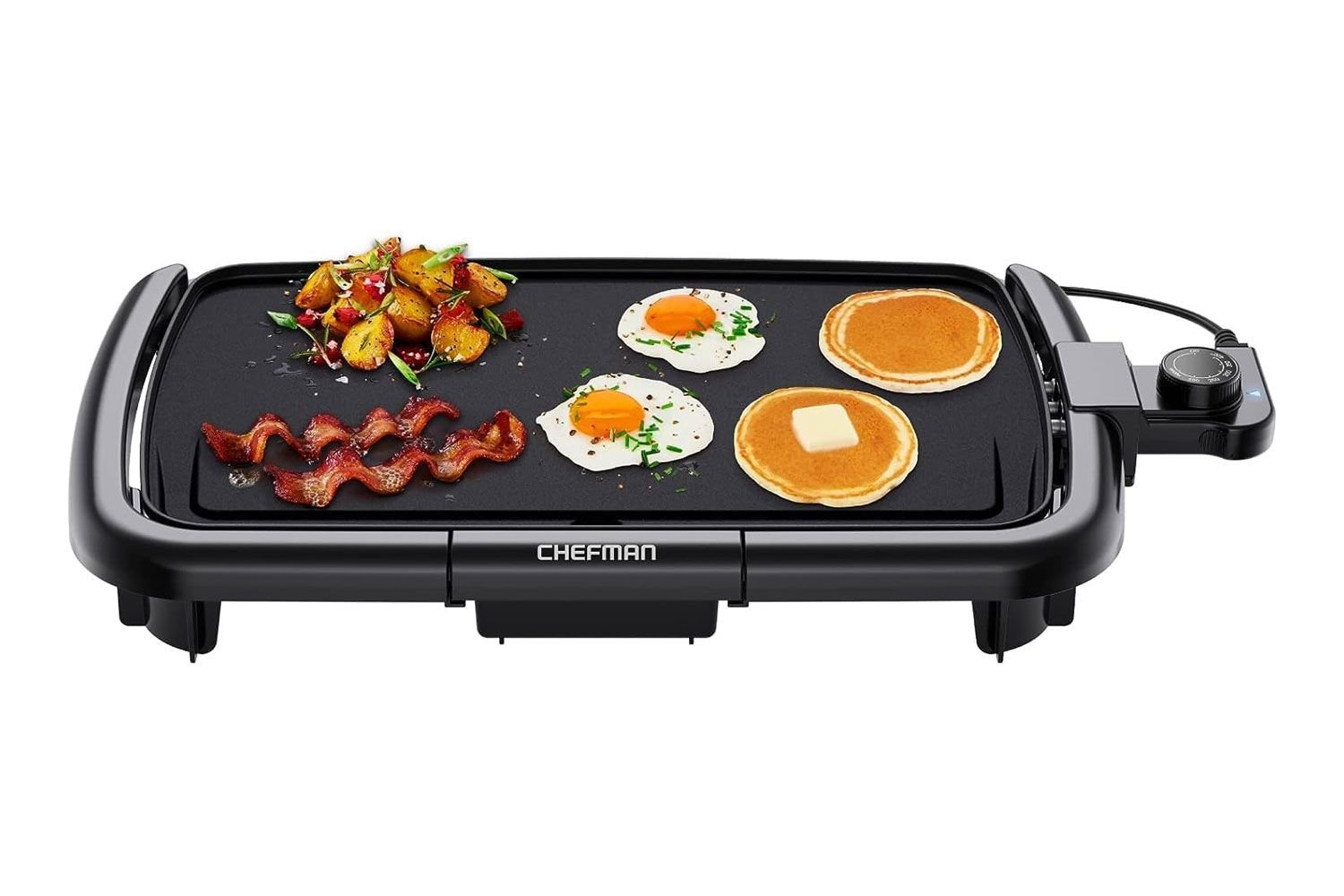
An electric grill is the best choice for most people cooking at home because it heats fast, needs no fuel and works safely indoors. If you’re feeding a large group outdoors, a charcoal or gas grill wins on space and smoke flavor.
Electric Grill vs Gas vs Charcoal
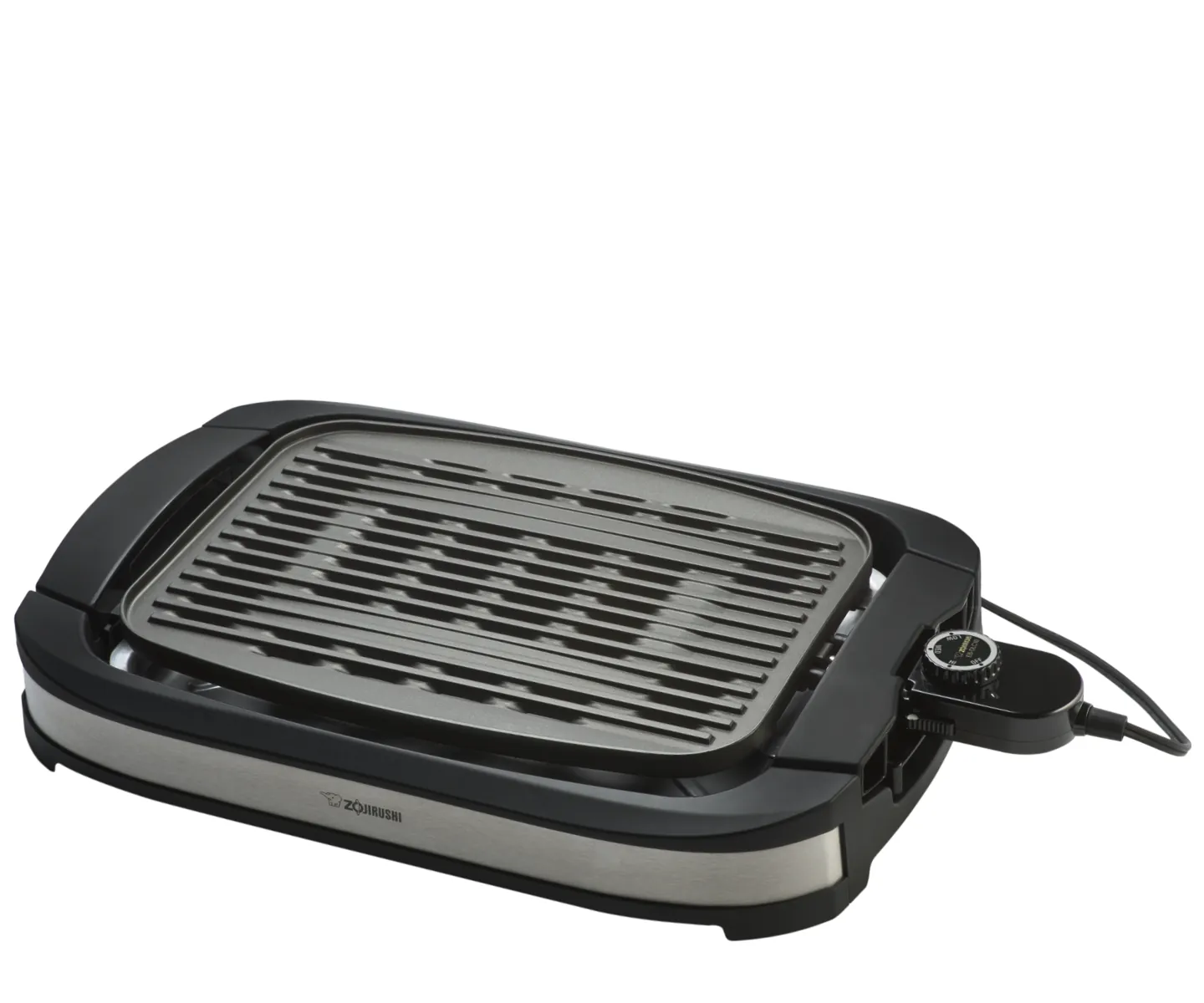
Each heat source trades convenience for flavor or capacity. Here’s how they compare when you put them side by side.
| Method | How long to preheat | Effort | Cost | Best for |
|---|---|---|---|---|
| Electric | 5–10 minutes | Low | Medium | Apartments, quick meals |
| Gas | 10–15 minutes | Medium | High | Backyards, large groups |
| Charcoal | 20–30 minutes | High | Low | Smoky flavor, weekends |
| Pellet | 15–20 minutes | Medium | High | Set-and-forget smoking |
No single method tops every column. You’ll trade speed for flavor, or low effort for higher cost. Pick the one that fits your space and schedule.
Cooking on an indoor electric plate
Plug the unit in and turn the dial to high. Wait 5 to 10 minutes until the surface is hot; these times assume a standard 1,500-watt model, so check your manual if yours draws less power. Lightly oil the grates with a paper towel held by tongs. Place your food on the hot surface and cook without moving it until it releases easily.
This setup shines in small kitchens where open flames aren’t allowed. It heats evenly and cleans up with just a damp cloth once it cools down. The trade-off is clear: you won’t get the smoky char that live fire gives you. Don’t try to force that crust by cranking the heat past the dial’s limit — you’ll just burn the outside while the center stays raw.
Freestanding Outdoor Electric Grills
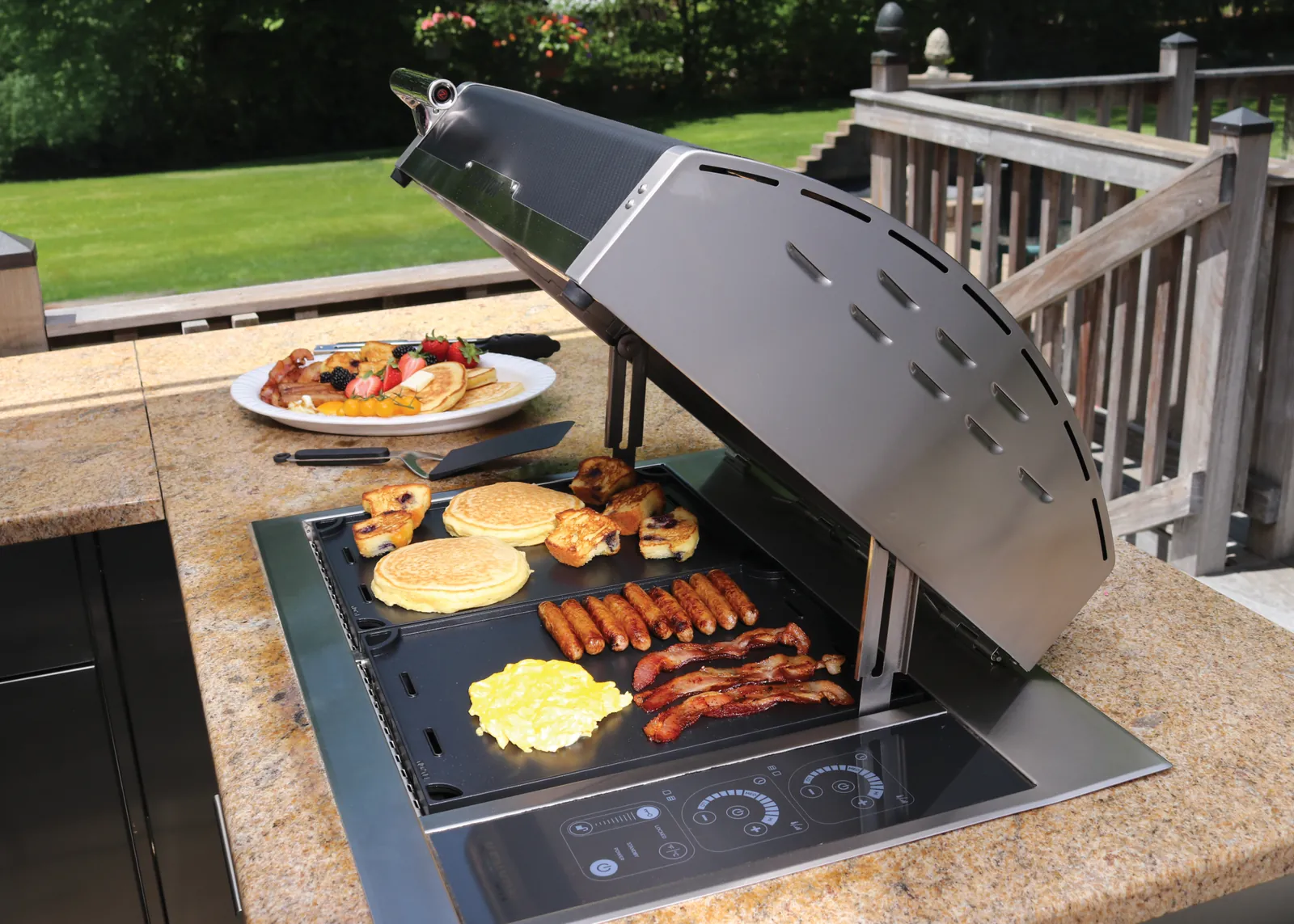
Set the grill on a flat, dry surface near a grounded outlet. Turn the temperature control to medium-high and close the lid for about 10 minutes. This assumes a standard 1,500-watt heating element; if your model is rated lower, add a few extra minutes. Lay your food on the grate, close the lid, and flip halfway through the total cook time.
The closed lid traps steam and heat, which helps thicker cuts cook all the way through without drying out. It’s great for patios where charcoal is banned. The downside is cord length — you’re tied to an outlet, so you can’t move the grill around the yard freely.
Infrared Electric Grills
Turn the dial to its highest setting and wait 3 to 5 minutes. Infrared panels radiate direct heat instead of warming the air first. Place thin cuts like burgers or sliced vegetables directly under the element. Flip them after 2 to 3 minutes per side.
Infrared models sear faster than standard plates, giving you better browning on steaks. They use the same wattage but deliver more energy straight to the food. The catch is that thick items burn on the outside before the middle cooks. For those, stick to a standard plate or finish them in your oven. If you want to know exactly what temperature makes meat safe, follow the USDA safe minimum internal temperatures and use a probe thermometer.
Which grill type fits your situation
If you’re short on time, pick the indoor electric plate. It reaches cooking temperature in under 10 minutes and needs almost no cleanup. When you’re cooking outside for the first time, the freestanding electric model is the safest start. Its simple dial removes the guesswork of managing airflow or gas valves. If you want the deepest sear possible and don’t mind watching closely, go with the infrared option.
The real trade-off here is control versus speed. Faster heat means less time to react if something starts burning. Slower methods give you room to adjust, but they keep you waiting. Match the tool to your patience level, not just your hunger.
Electric Grill Safety Rules
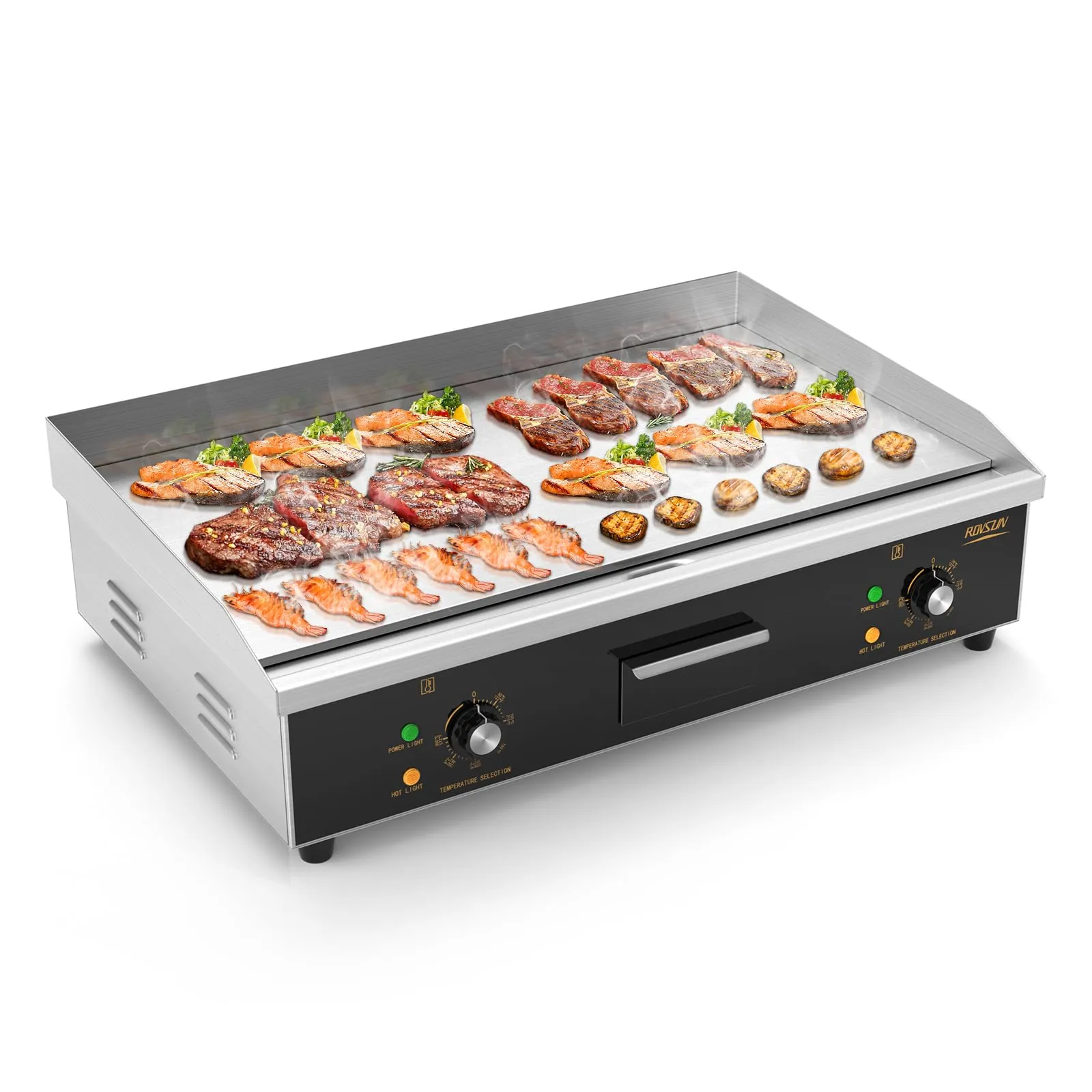
Every model sold in the US should carry a UL or ETL mark, meaning it passed independent electrical safety tests. Before plugging anything in, inspect the cord for cracks or exposed wire. Partway through cooking, check that grease isn’t pooling near the heating element. When you’re done, unplug the unit first, then let it cool completely before wiping it down.
Never leave the grill running unattended. If a cord feels warm to the touch during use, stop immediately — that points to a wiring fault you shouldn’t fix yourself. Leave electrical repairs to a licensed technician, since internal capacitors can hold a dangerous charge even after the plug is pulled.
Related guides
Frequently asked questions
Can you use an electric grill indoors?
Yes, as long as it’s designed for indoor use. Models built for countertops don’t produce carbon monoxide. Always check the manufacturer’s label before bringing any outdoor-rated appliance inside your home.
Why does my electric grill smoke so much?
Smoke happens when fat drips onto the hot heating element. Wipe the drip tray between batches to reduce this. Trimming excess fat from meat before cooking also keeps the smoke down significantly.
How long does an electric grill take to heat up?
Most models reach cooking temperature in 5 to 10 minutes. This assumes a 1,500-watt element. Lower-wattage units need a few extra minutes, so check your specific model’s manual for exact preheat times.
Is it safe to leave an electric grill plugged in?
No, unplug it right after you finish cooking. Leaving it connected risks accidental activation or electrical faults. A plugged-in unit may also draw standby power in some models.
What happens if water gets on the heating element?
Water hitting a hot element causes violent steam bursts and can crack the metal. Always dry the grill plates thoroughly before turning the power on. If water pools inside the base, unplug the unit and let it air dry completely.
How many watts does a typical electric grill use?
Most household models draw between 1,200 and 1,800 watts. Check the rating sticker on the back or bottom of your unit. Running a 1,500-watt grill requires a dedicated 15-amp circuit to avoid tripping your breaker.
Conclusion
Pick the method that matches your space and schedule. Keep the cord in good shape, watch the grease tray, and use a thermometer for meat. That’s all it takes to cook safely without lighting a fire.