
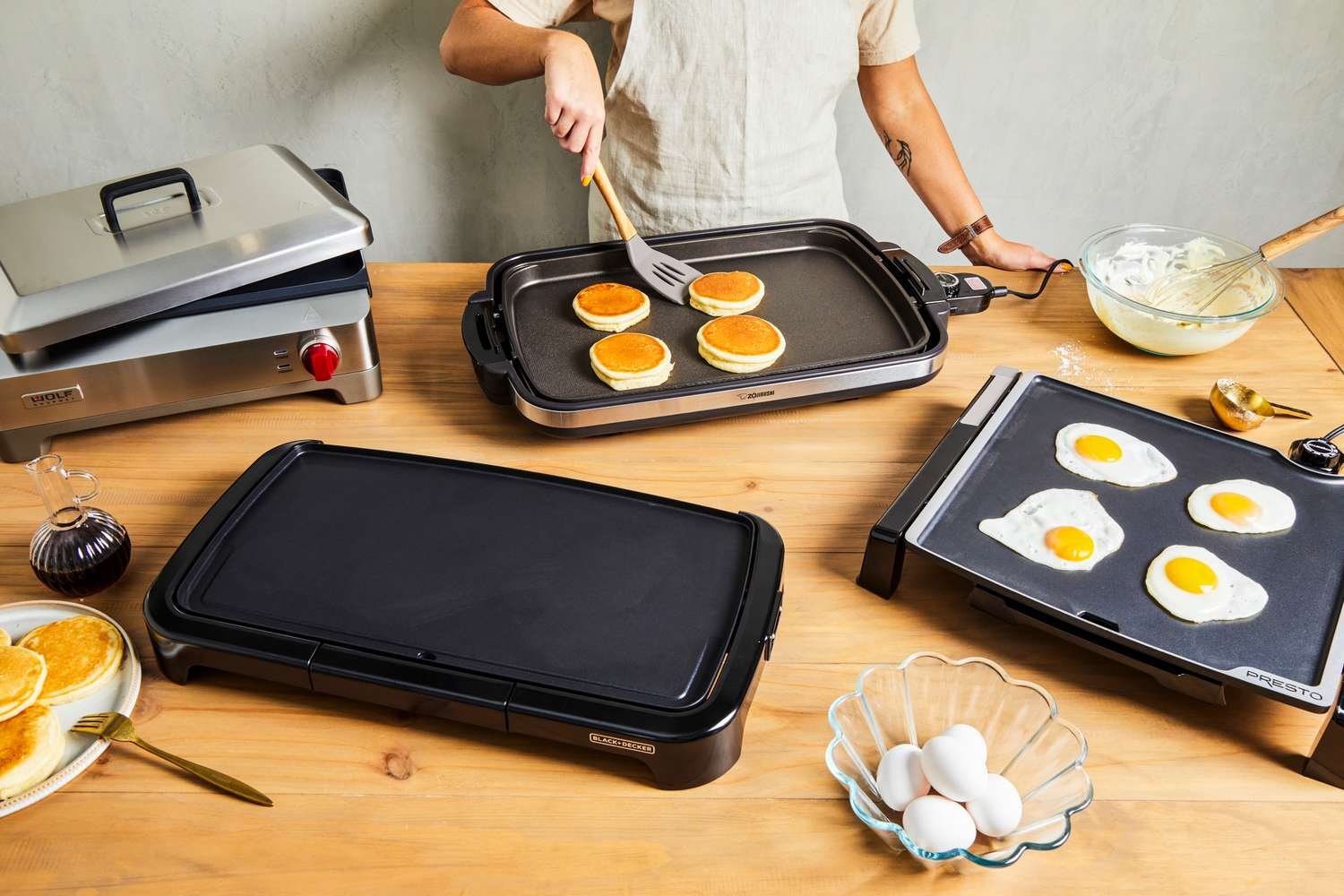
Electric griddles cook at 350°F–375°F and need 10 minutes to preheat. This guide covers safe temperatures, cleaning, and when stovetop pans work better.
What an electric griddle actually is
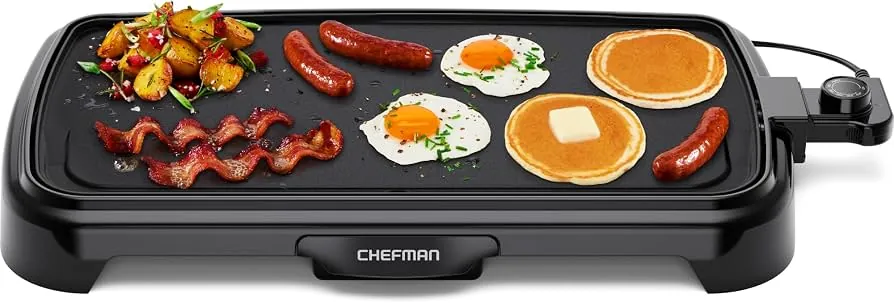
An electric griddle is a flat, heated cooking surface with built-in temperature controls for making breakfast foods, burgers, and vegetables indoors. It provides more surface area than a frying pan without using multiple burners. An embedded element distributes heat evenly across the surface once preheated.
Basic electric griddle cooking method
- Place the griddle on a dry, level counter away from walls and plug it directly into a grounded outlet.
- Set the dial to 350°F and wait 10 minutes for the indicator light to signal it’s ready.
- Lightly coat the surface with oil using a paper towel; avoid aerosol sprays that leave sticky residue.
- Add food in batches, leaving one inch between items to prevent steaming and ensure proper browning.
- Cook until edges release naturally, usually 3-4 minutes for pancakes or 5-6 minutes for burger patties.
- Flip only once using a plastic or silicone spatula to avoid scratching the coating.
- Transfer cooked food to a warm plate and let the griddle cool completely before wiping clean.
The key judgment call is resisting the urge to raise the heat when cooking slows down. Contact a licensed technician for internal repairs.
Electric griddle temperatures and times
These settings assume a standard 20-inch household model; larger commercial units may require adjusted timing.
| Situation | What to use | How long | What to watch for |
|---|---|---|---|
| Pancakes | 350°F | 2-3 min per side | Bubbles form and pop before flipping. |
| Eggs (fried) | 325°F | 3-4 min total | Whites set, yolks still soft. |
| Burger patties | 375°F | 5-6 min per side | Internal temp reaches 160°F. |
| Grilled cheese | 350°F | 3-4 min per side | Bread golden, cheese melted. |
| Vegetables | 375°F | 8-10 min total | Char marks appear, tender inside |
| Bacon | 350°F | 6-8 min total | Fat rendered, edges crisp |
Getting consistent results every time
Experienced users preheat with the drip tray installed because cold grease pooling underneath causes uneven heating once it warms up. Working in this order prevents the first batch from being undercooked while the last burns.
They check partway through by lifting one corner of the food to assess color rather than relying solely on timers. If browning is uneven, they rotate items 180 degrees halfway through cooking.
Common electric griddle problems
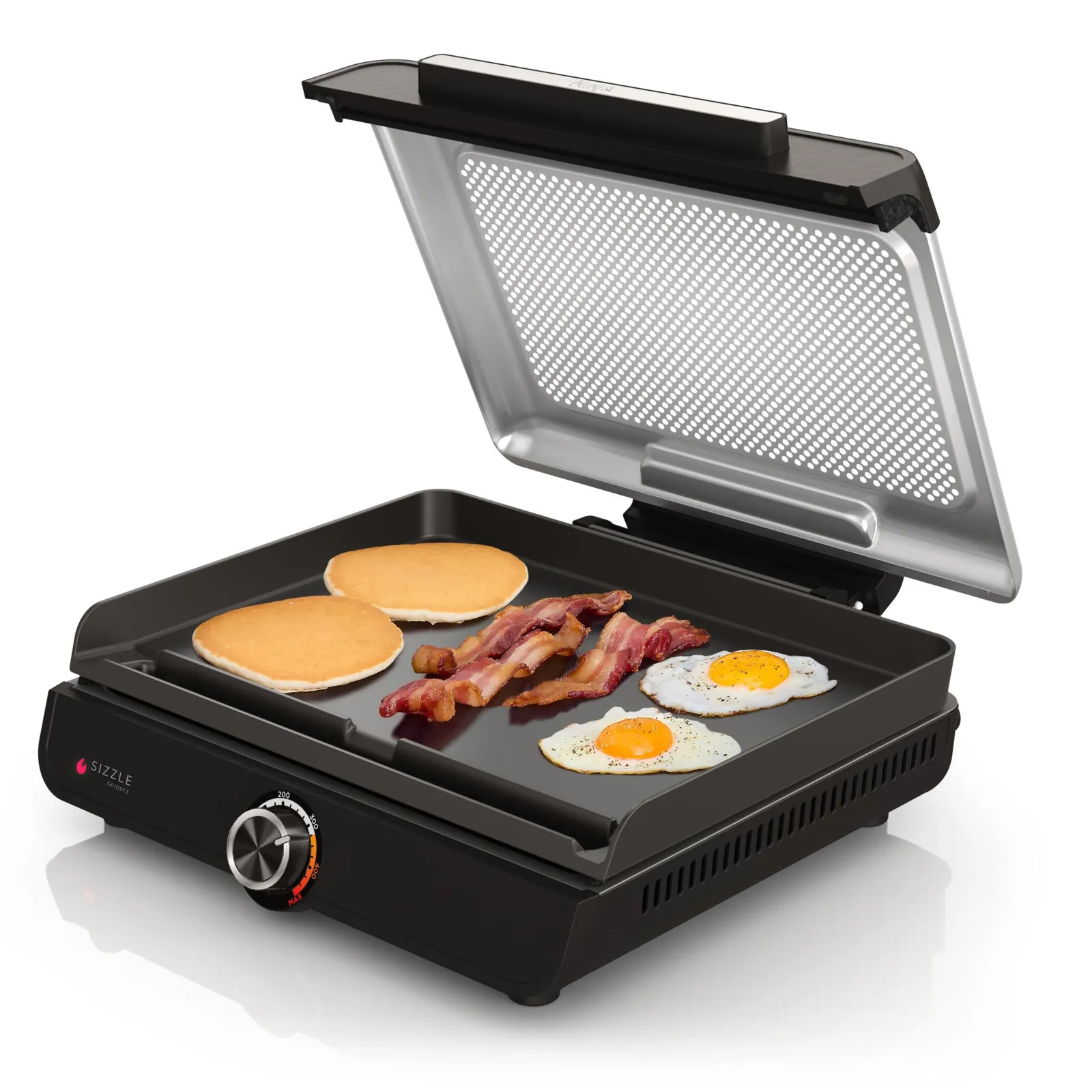
Most issues stem from improper preheating or cleaning habits rather than equipment failure.
| What you notice | What it usually means | What to do first |
|---|---|---|
| Food sticks despite oil. | Surface not fully preheated | Wait 2 more minutes, and retest with water. |
| Uneven browning | Overcrowded surface | Remove half the food, and cook in batches |
| Smoke during cooking | Temperature too high | Lower dial 25°F, wipe excess oil. |
| Grease pooling | Drip tray missing or full | Install or empty the tray before continuing. |
| Won’t heat up | Tripped GFCI outlet | Reset the outlet button, and try a different circuit. |
Safety standards and electrical rules
The U.S. Consumer Product Safety Commission requires all countertop cooking appliances to meet specific electrical safety standards to prevent shock and fire hazards. Never use an extension cord unless it’s rated for the griddle’s wattage, typically 1500 watts or higher.
If the power cord feels hot during normal use, unplug immediately and stop using the unit.
Cleaning and storage after use
Unplug the griddle and let it cool completely before cleaning to avoid burns and coating damage. Wipe the surface with a damp cloth and mild dish soap; never submerge the base in water.
Store upright in a dry cabinet to protect the non-stick surface from scratches. If stacking is necessary, place a soft cloth between surfaces. Inspect the power cord monthly for fraying or exposed wires. Replace the griddle if the coating shows deep scratches or peeling, as damaged non-stick surfaces can flake into food.
When a stovetop pan works better
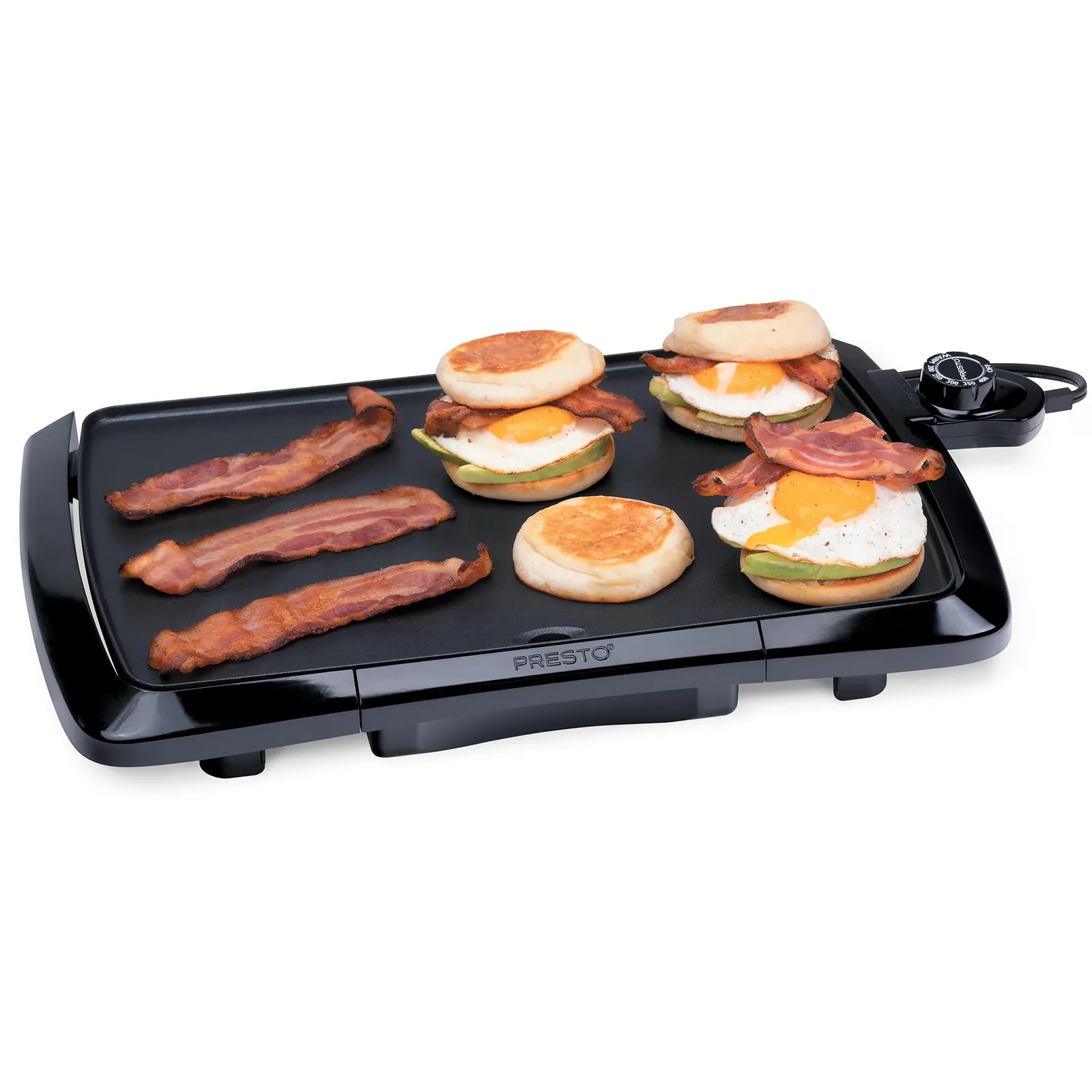
This approach isn’t right for searing steaks or achieving wok hei because electric griddles max out around 400°F. Use a cast iron skillet on high heat instead for proper crust development. Small portions like single eggs or one grilled cheese waste energy on a large surface; a small frying pan heats faster and cleans easier.
Frequently asked questions
Can I use metal utensils on an electric griddle?
No, metal utensils scratch the non-stick coating permanently. Use silicone, plastic, or wooden tools instead to preserve the surface and prevent food from sticking in damaged areas during future cooking sessions.
Why does my electric griddle smoke excessively?
Excessive smoke usually means the temperature exceeds 400°F or old grease remains on the surface. Lower the heat setting and thoroughly clean the griddle and drip tray to remove accumulated residue that burns at lower temperatures.
How long does preheating actually take?
Preheating takes 8-12 minutes at 350°F for standard household models. Larger or commercial units may need 15 minutes.
Is it safe to leave an electric griddle unattended?
No, never leave a heated griddle unattended even briefly. Grease can ignite, or food can burn within minutes.
What happens if water gets inside the base?
Water inside the electrical base creates shock risk and can short-circuit the heating element. If moisture entered through damage, replace the unit rather than risking electrical injury.
How often should I replace the drip tray?
Replace the drip tray when it shows cracks, warping, or permanent grease stains that won’t wash out. Check the manufacturer’s website for model-specific replacement parts and compatibility information.
Can I cook frozen meat directly on the griddle?
Yes, but increase cooking time by 50% and lower temperature by 25°F to prevent burning outside while inside thaws.
Conclusion
Choosing the right temperature and maintaining your griddle properly matters more than the brand or price point. Consistent results come from respecting the equipment’s limits and cleaning it correctly after each use, which extends its life and keeps food tasting good every time you cook.